Coming home after surgery is a milestone — but the real work of recovery begins there. Whether you've had a minor outpatient procedure or a major operation, the days and weeks following surgery are critical to your long-term outcome. Here are five essential tips to help you heal safely, comfortably, and confidently.
1. Follow Your Discharge Instructions — Every Single One
Your surgical team will provide discharge instructions before you leave the hospital or surgical center. These instructions exist for a reason. They cover everything from wound care and activity restrictions to medication schedules and warning signs to watch for. Read them carefully, ask questions before you leave, and keep them somewhere accessible at home.
If you're unsure about any instruction, don't guess — call your provider or reach out to a nurse who can help clarify.
2. Manage Your Medications Carefully
Post-operative medication management is one of the most important — and most commonly mishandled — aspects of recovery. Pain medications, antibiotics, blood thinners, and other post-op drugs all have specific dosing schedules and instructions. Missing doses, doubling up, or mixing medications incorrectly can lead to serious complications.
Consider having a nurse review your post-operative medications to ensure you understand exactly what to take, when, and why.
3. Watch for Warning Signs
Knowing the warning signs of post-operative complications can save your life. Contact your provider immediately if you experience: - Fever above 101°F - Increasing redness, swelling, warmth, or discharge at the wound site - Severe or worsening pain not controlled by prescribed medications - Shortness of breath or chest pain - Unusual swelling in your legs - Any symptom that feels "off" or different from what you were told to expect
When in doubt, call. It's always better to check.
4. Don't Underestimate Rest
In our busy, productivity-focused culture, it can be tempting to push through recovery and return to normal activities too quickly. Resist that urge. Your body needs rest to heal. Follow your provider's activity restrictions, even when you start feeling better — especially when you start feeling better. Overdoing it too soon is one of the most common causes of post-operative setbacks.
5. Ask for Help
Recovery is not the time to be independent. Whether it's a family member, friend, or professional caregiver, having support at home during recovery makes a measurable difference in outcomes. A nurse can provide professional monitoring, wound assessment, medication management, and education — giving you and your family peace of mind during a vulnerable time.
TYMEDICS Surgery Recovery Support
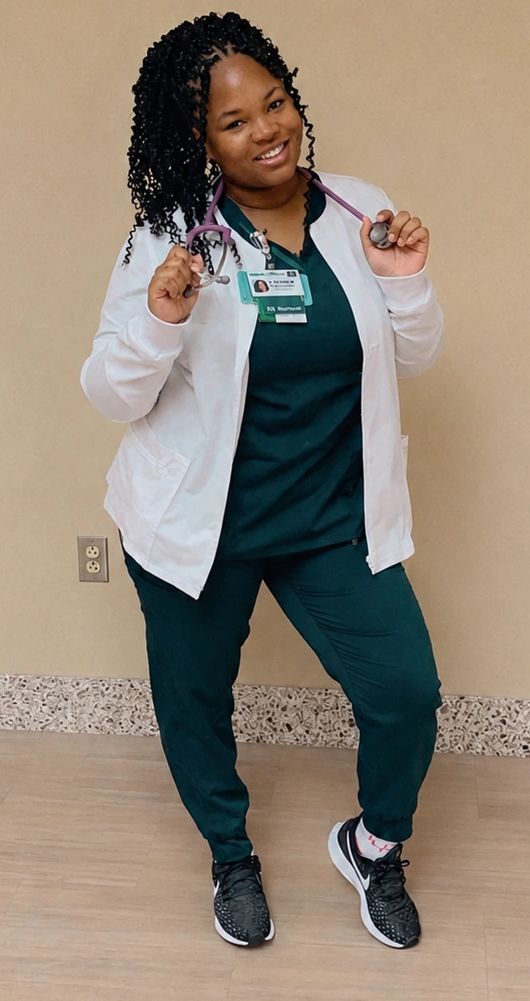
At TYMEDICS, our Surgery Recovery Support service is designed specifically for post-operative clients. Your TYMEDICS nurse will visit you at home to assess your recovery, monitor your wound, review your medications, and provide the education and support you need to heal with confidence.
Ready to schedule your post-operative support? Book a service today.